NASA plans to design an electric plane that does not emit any emissions at all
NASA has funded new research aimed at finding a successful way to develop aircraft that do not produce greenhouse gas emissions. The project, led by scientists at the University of Illinois, explores the potential of using liquid hydrogen fuel cells as an environmentally friendly energy source.
Using hydrogen coolant and condensed liquid instead of hydrogen gas, clean energy can be generated without the need for heavy storage tanks.
This shift could bring viable hydrogen energy to larger aircraft for the first time and revolutionize the commercial aviation industry, according to the Daily Mail website.
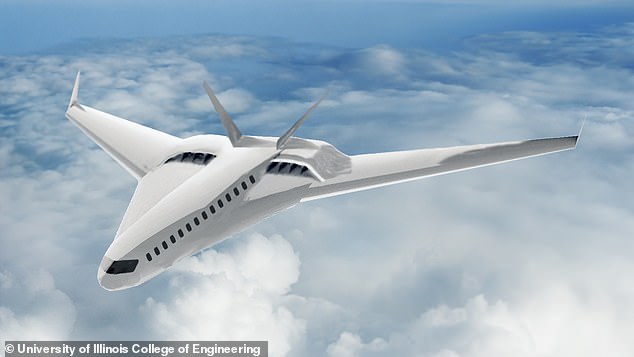
NASA aircraft
The NASA-funded project is headed by space engineer Philip Ansel and the engineer Kiruba Haran and colleagues at the University of Illinois, the United States.
"The project focuses on the development of whole electric airplanes that use hydrogen fuel as a means of storing energy," said space engineer Philip Ansel. "Hydrogen energy is transformed into electricity by a series of fuel cells that push the super-electric system."
The development program has been called the Center for Electric High-Efficiency Refrigeration for Aircraft, or CHEETA for a short time. NASA will provide a total of $ 6 million (£ 4.6 million) for the project over a three-year period.
Professor Ansel said: "The program focuses mainly on the development of a fully electric aircraft platform using liquid hydrogen cooled as a means of storing energy."


Post a Comment