Treatment of calcium deficiency in the body with dietary changes
Calcium is the most abundant metal found in the human body and performs several important functions simultaneously. More than 99% of the body's calcium is found in our teeth and bones, and the remaining 1% is found in blood, muscle and fluid within our cells.
If there is one thing in the human body used by almost all tissues and organs can be calcium, but unfortunately, if you are one of those who avoid the idea of dairy products, think again, you may put yourself at greater risk of calcium deficiency.
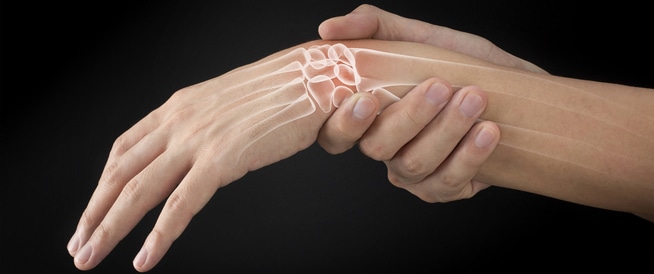
lack of calcium
Why Calcium Is Important?
As the best bone mineral, calcium plays an important role in building strong bones. stylecraze"It is not only a basic component of the skeleton, but it is also widely distributed in soft tissue.
Daily intake and proper absorption of calcium is necessary to maintain overall health. Calcium absorption depends on the body's calcium, eating and calcium intake in foods eaten.
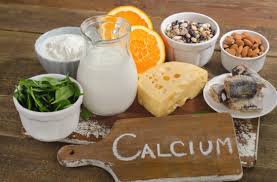
You can get enough calcium by eating a variety of foods rich in calcium such as milk, other dairy products, green leafy vegetables, seafood, nuts and dried beans.
Treatment of calcium deficiency
What is calcium deficiency
Calcium deficiency is a condition caused by inadequate calcium in the body, often due to the consumption of insufficient levels of calcium in the diet over a long period of time, can cause vitamin D deficiency, phosphorus and magnesium all help in calcium absorption, calcium deficiency In the food.
Treatment of calcium deficiency
1. Food changes:
The initial stages of calcium deficiency can be treated by increasing the intake of calcium-rich foods, and vitamin D-rich foods should also be consumed to promote calcium absorption in the body. However, foods with high levels of vitamin D and calcium can be high in saturated fat and fat unsaturated. It is recommended to choose low-fat and fat-free options to reduce other risks such as high cholesterol and heart disease. The list below shows the dietary sources of calcium.

Foods containing calcium
2. Calcium supplementation:
If you can not get enough calcium from your diet, your doctor may suggest that you take calcium supplements. These supplements are available in liquid, tablet and chewable forms and are used to treat conditions that can cause hypocalcemia. However, it should only be taken under the supervision of the treating physician because overdose can have serious consequences.
3. Injection:
If your diet and dietary changes do not produce the desired results, your doctor may regulate calcium levels by giving you regular calcium injections.
Related topics
(tTo) Health (t) Health (t) Health (t) Health (t) Health


Post a Comment