On the anniversary of the Nakba .. 3 books on the Palestinian cause know
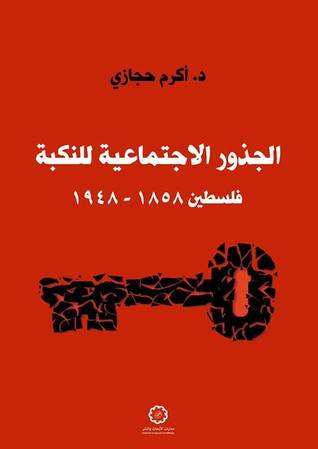
"The Social Roots of the Nakba: Palestine 1858-1948"
A book written by Akram Hijazi, contradicts the myth that the Palestinians abandoned their land to the Zionists through an in-depth study of the patterns of Arab ownership and production and the nature of the economic relationship between the state and society in Palestine during the Ottoman and British Mandate periods following the First World War and finally the Zionist infiltration into Arab lands since the end of the century. And the role of the British colonialism in the preparation of the political, economic and social infrastructure of the Palestinian territories prior to the Nakba.
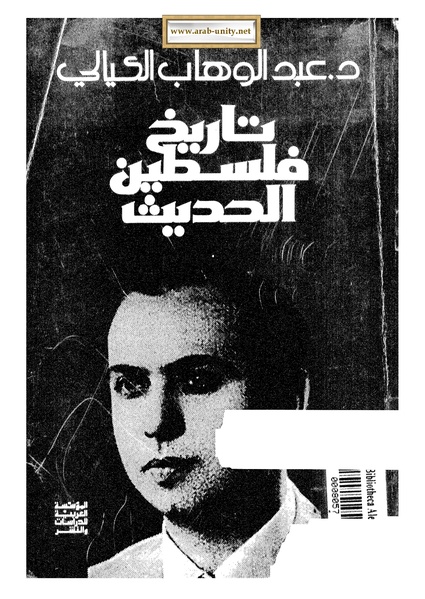
The book "The History of Modern Palestine"
It was first published in 1970 and reprinted dozens of times. It is considered the first serious attempt to record the history of Palestine based on historical sources starting from the beginning of the first Zionist migrations of Palestine in the late 19th century.
The author has numerous publications on Palestine, and has headed the editing of the Political Encyclopedia (seven volumes). He was former Secretary General of the Arab Liberation Front and founder of the Arab Institute for Studies and Publishing.
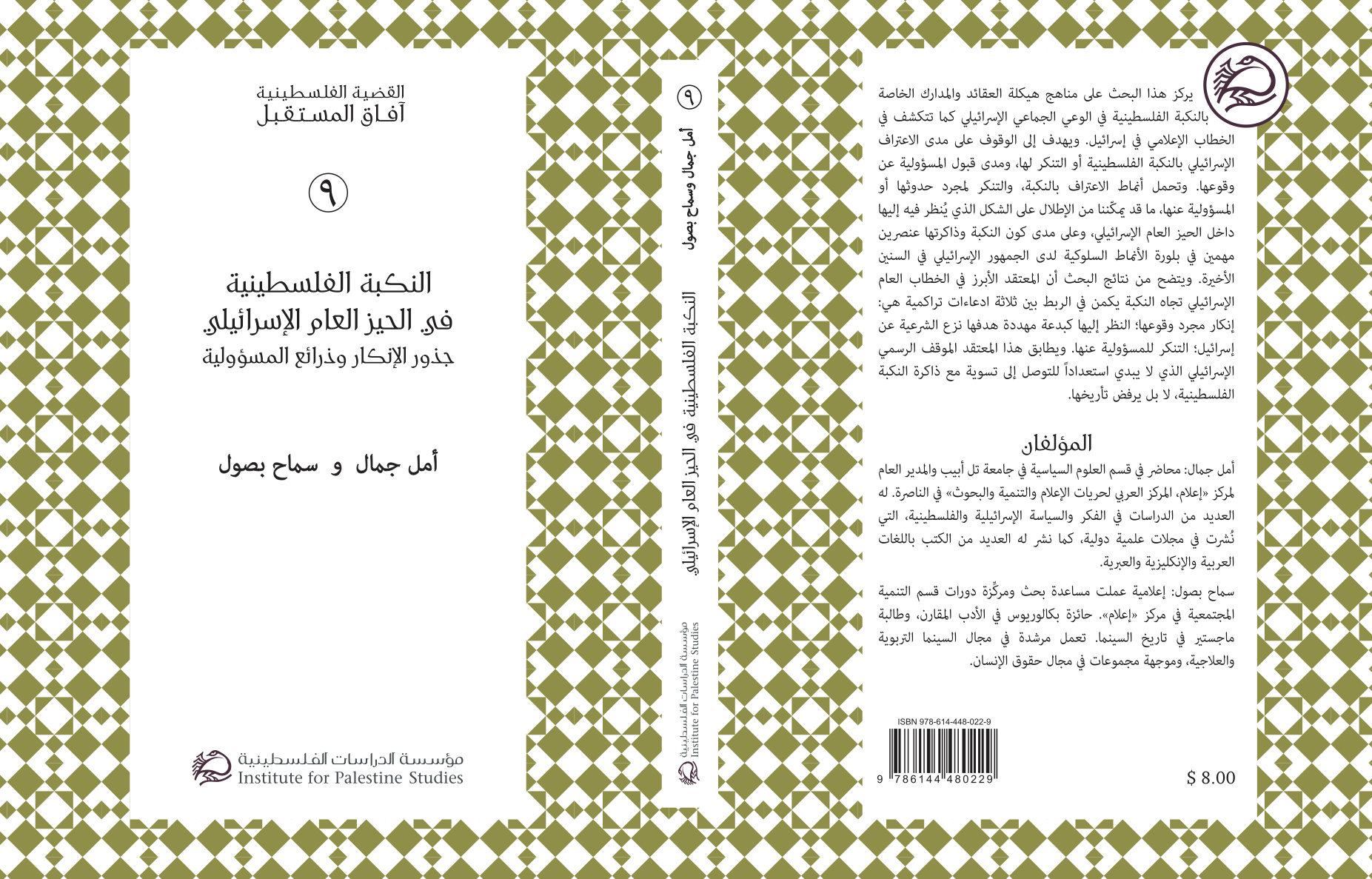
"The Palestinian Nakba in the Israeli public sphere: the roots of denial and the pretexts of responsibility"
Written by Amal Jamal and Samah Basul, issued by the Palestinian Studies Foundation.
The book focuses on the methods of structuring the beliefs and perceptions of the Palestinian Nakba in the collective Israeli consciousness as revealed in the media discourse in Israel. The book aims to identify the extent of Israeli recognition of the Palestinian Nakba or denial of it, and the extent of acceptance of responsibility for its occurrence. The patterns of recognition of the Nakba, and the denial of responsibility for it, are what we may be able to look at in the Israeli public sphere and the extent to which the Nakba and its memory have been important elements in shaping the behavioral patterns of the Israeli public in recent years.
(t) Palestine (t) The occupation army (t) The defeat of the Arabs


Post a Comment