Low fat content reduces the symptoms of obesity-related depression
NEW YORK (Reuters Health) – Scientists have shown links between the consumption of high-saturated diets that lead to obesity and the onset of depression, according to a new clinical study conducted by the University of Glasgow in collaboration with the Gladstone Institute and published in the Journal of Medicine. Called "phosphodiesterase", the symptoms of depression associated with obesity can be reduced.
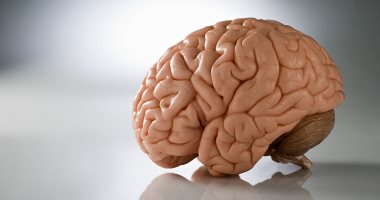
In new findings in rat models, researchers can see saturated fatty acids entering the brain through the bloodstream and then accumulating, affecting important brain signals related to depression. The mice that feed on a diet rich in fat (60% Saturated and unsaturated fats) have a flow of dietary fatty acids in the hypothalamus region of the brain.
These fatty acids were then able to directly influence the main signaling pathways responsible for the development of depression. The relationship between obesity and depression is complex. Patients with obesity are unlikely to respond well to the common drugs for the dressings of depression.
Researchers in the study believe that their new findings may now affect new targets for antidepressant drugs that may be more suitable for people who are overweight and obese.
"This is the first time anyone has noticed the direct effects that a high-fat diet can have on brain signaling regions associated with depression. This research may begin to explain how and why," said Professor George Bailey, associate professor at the University of Glasgow. "We often use fatty food to comfort ourselves because it tastes good, but in the long term, it is likely to affect the person's mood in a negative way." Of course, if you Feel weak, make you feel better Treat yourself to more fatty foods, Which will promote negative emotions.
(tagsToTranslate) Fat for nutrition (t) Health (t) Health news (t) Health (t) Brain


Post a Comment