Learn about 8 specialties of the Administrative Prosecution, most notably the fight against corruption
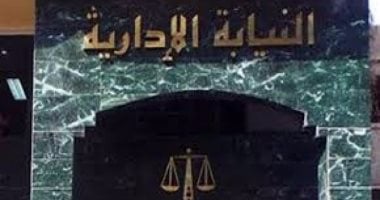
The Administrative Prosecution is the judicial body entrusted with the investigation of offenses and disciplinary offenses. It carries out its judicial work on behalf of the entire society, in the same manner as the Public Prosecution in representing the society in criminal offenses. The law guarantees the complete independence of all executive state entities. .
The most prominent specialties of the Administrative Prosecution are:
1- Investigating the disciplinary violations contained in the communications received from the parties subject to its jurisdiction, or from any official or regulatory body, or the complaints of the employees of the authorities or the complaints of others.
2. Issuing disciplinary decisions by imposing disciplinary sanctions on employees in cases initiated by them pursuant to Article 197 of the Constitution.
3 – Move and initiate disciplinary proceedings before the disciplinary courts as part of the formation of the court as the court sessions are canceled if the member of the administrative prosecution is not present.
4 – Examining the judgments issued by the disciplinary courts of the State Council to verify their validity and the President of the Administrative Prosecution Authority to appeal against the judgments of the disciplinary courts if he finds a face for this and direct appeals before the Supreme Administrative Court.
5 – Proceeding the criminal proceedings for the criminal crimes revealed by the investigations of the Administrative Prosecution referred to the Public Prosecution.
6 – Move the case of graft by referring the crimes of gain that unfolds to the Department of Illegal Revenue Ministry of Justice
7. The Administrative Prosecution shall prepare the studies and researches assigned by the President of the Republic to the various public utilities.
8. Combating corruption as a judicial body and providing substantive guarantees to the public official to ensure impartiality and impartiality of the investigation.
There are a number of groups under the jurisdiction of the Administrative Prosecution, which is competent to investigate administrative and financial violations that fall from each of the following categories:
1 – Employees of government ministries and their interests and organs that have a special budget and local government units.
2 – Employees of public bodies and institutions.
3 – Employees of public sector agencies and companies that did not comply with the provisions of Law 203 for the year 1991 regarding the public business sector.
4 – Employees of holding companies established in accordance with the provisions of the Public Sector Law.
5 – Employees of subsidiaries established in accordance with the provisions of the Public Sector Law until the issuance of the regulations governing their affairs.
6 – Employees of companies and bodies based on obligations of public utilities in accordance with the provisions of Law 129 of 1947.
7. Employees of companies in which the government or public bodies contribute not less than 25% of their capital or guarantee a minimum profit.
8 – Employees of associations and private bodies issued or determined by law or decision of the President of the Republic.
9. Members of the boards of directors of trade union formation formed in accordance with Law No. 35 of 1976 promulgating the Trade Unions Law and members of the elected boards of directors in accordance with the provisions of Law No. 73 of 1973 regarding the conditions and procedures for the election of representatives of workers in the boards of public sector units, joint stock companies, Board members elected by subsidiaries.
10 – temporary employees appointed by a fixed salary or comprehensive remuneration whether they filled positions in the budget and applied the system of civil servants in the state, or did not occupy one of these functions and applied Republican Decree No. 861 of 1974 on the conditions and conditions of recruitment of workers with a comprehensive reward, To discipline the provisions of the aforementioned republican decree.
11 – Employees of Chamber of Mining Industries.
12. Employees whose services are subject to the jurisdiction of the administrative prosecution.


Post a Comment