Ten years later, we celebrate Elizabeth Blackburn. × 7 photos
In 2009, Australian American scientist Elizabeth Blackburn received the Nobel Prize in Medicine after discovering through her research how to protect chromosomes by telomeres and telomerase.
Today, the International Nobel Prize, through its platform on Social Media, was celebrated by Australian scientist Elizabeth Blackburn, five years after receiving the Nobel Prize in Medicine, jointly with her colleague Carl Greider.
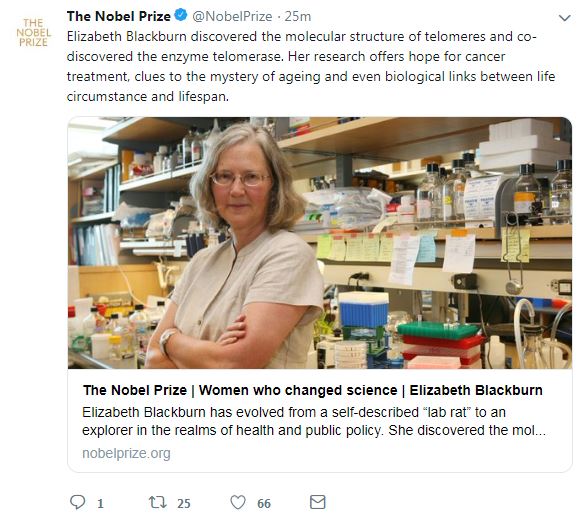
Nobel celebrates Elizabeth Blackburn
Elizabeth H. Blackburn was born on November 26, 1948, in Hobart, Tasmania, Australia, to parents of two doctors. She was the second in the ranking of seven children for her parents.
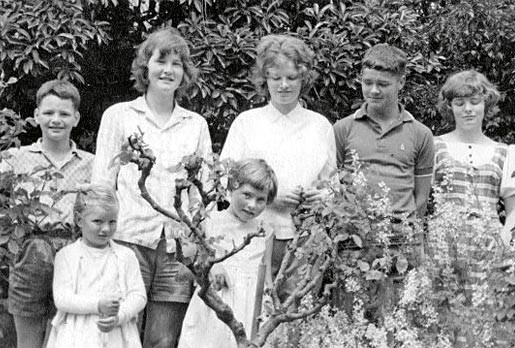
The seven brothers Elizabeth Blackburn in their garden 1965
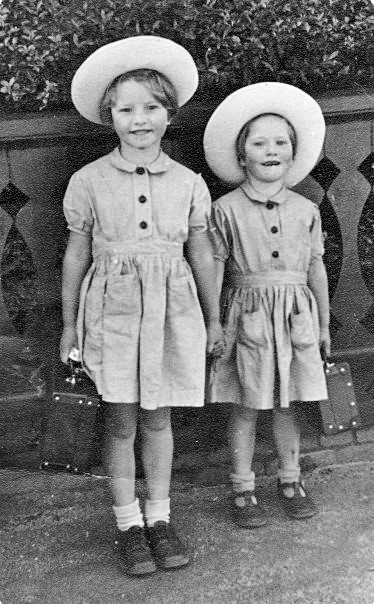
From right Elizabeth Blackburn at Launceston, California, 1953
Elizabeth H. Blackburn's interest in animals and nature began when she studied biochemistry at the University of Melbourne.

Monoclonal cells studied by Elizabeth Blackburn
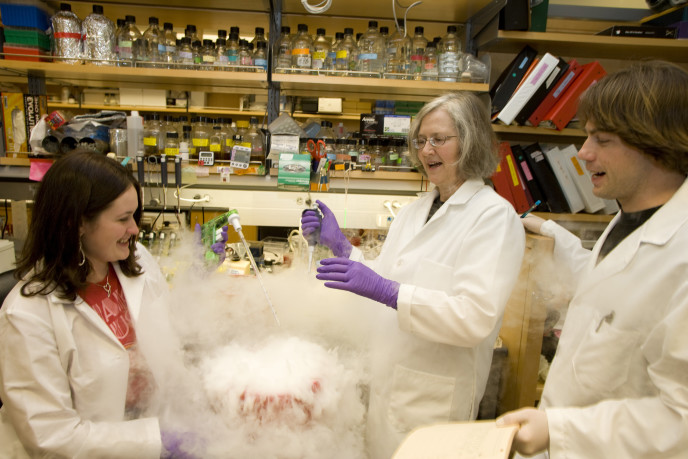
Elizabeth Blackburn in her lab
Elizabeth Blackburn obtained her doctorate from the University of Cambridge in England and, in collaboration with her colleague Carl Grader, discovered their cells on the telomerase, which produces the telomer, which prevents the breakage of chromosomes in 1984.
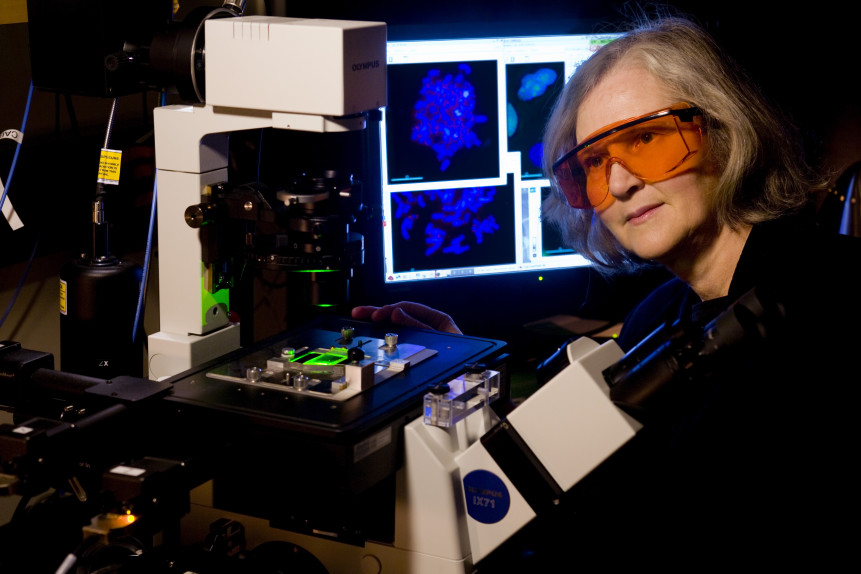
Elizabeth Blackburn at the Blackburn Laboratory in the Department of Biochemistry and Biophysics
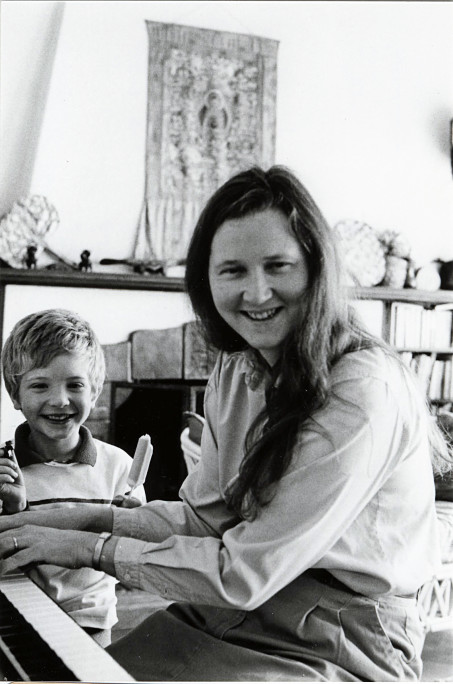
Elizabeth Blackburn with her son in 1990
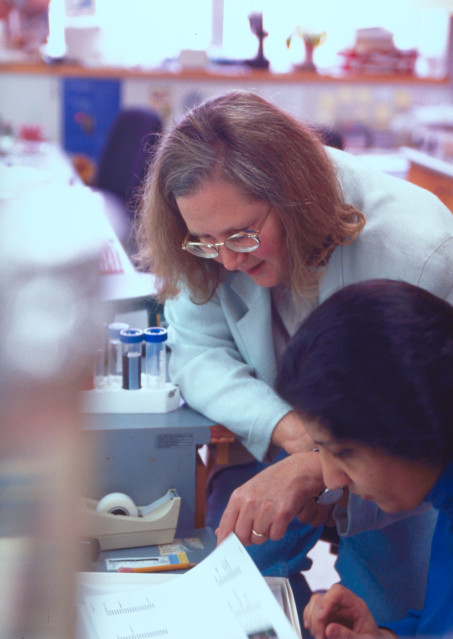
Elizabeth Blackburn with a student at her laboratory at the University of California
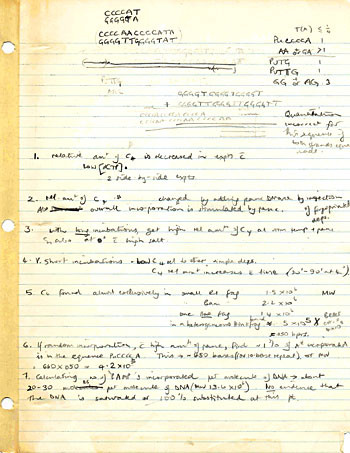
Pages from Elizabeth Blackburn's notebook detail the discovery of telomerase
Elizabeth Blackburn won the 2009 Nobel Prize for Medicine for discovering how chromosomes are protected by telomeres and telomerase.


Post a Comment