I read to you .. "conciliatory plans" shaped the streets of Cairo from the Fatimids to Khedive Tawfiq
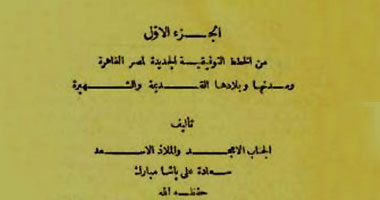
The plans of the "conciliatory plans" are the most important works of Ali Pasha Mubarak. The plans consist of twenty parts describing in detail the cities and villages of Egypt from the earliest ages to the time that it has disappeared or remained until its time, describing its facilities and public facilities such as mosques, angles, shrines, So it is an integrated Atlas of the cities of Egypt throughout the ages.
The book first deals with the history of Cairo and Egypt since the Fatimid era and until the era of Khedive Tawfiq, in comparison between what it was and what became its modern neighborhoods, following these plans Cairo and its streets and even its lanes arranged in alphabetical order, as well as limping on its mosques, schools and corners and churches in the same alphabetical order, He then moves out of Cairo and deals with the city of Alexandria and then the rest of the regions, cities and villages in a translation of the dignitaries, writers, poets and parents.
The author did not forget the Pharaonic monuments and the scale of the Nile since the time of the Pharaohs, until the time of writing the book, and finally dealing with the money in its forms and dates and value compared to the values of modern criticism.
The book describes the cities of Egypt and its villages from the earliest ages to the time when it has disappeared or remained until its time, describing the facilities and facilities such as: mosques, angles, shrines, monasteries, churches, and other that.
The author of the book is Ali Pasha Mubarak, who is considered one of the important and historical media that Egyptian history will remember with respect and appreciation for his role in the educational renaissance in Egypt. His name was associated with the practical aspect of Renaissance and urban development in Egypt.
The director of the school bureau reorganized it according to his project, appointed the teachers, arranged the lessons, chose the books, and participated with a number of professors in the preparation of some textbooks, entrusted to lead his urban architectural project, reorganizing Cairo in a modern style: The construction of the new Ottoman buildings and buildings, the supply of Cairo with water and its lighting with gas, and this planning is still in the center of Cairo so far.
.


Post a Comment