Beetroot improves athletic performance and reduces high blood pressure
Beets are foods that contain a source rich in folic acid and manganese, and also contain thiamine, riboflavin and vitamin B6, Pantothenic acid, choline, betaine, magnesium, phosphorus, potassium, zinc, copper and selenium.
According to the American medical site "MedicalNewsToday"The beet contains a high proportion of nitrate, which is believed to be the cause of many potential health benefits of beets being studied.
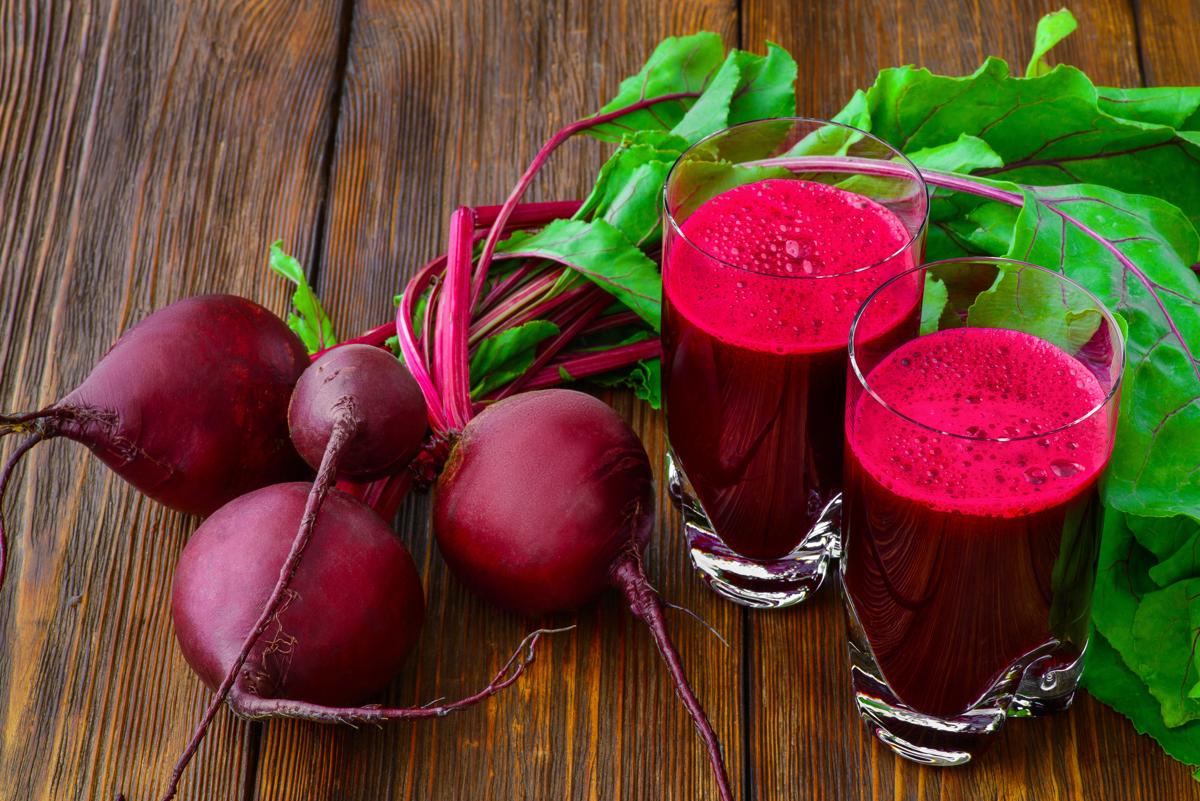
Beets
Benefits of beets
blood pressure
A previous study in 2008, published in the American Journal of Hypertension, examined the effects of eating beet on a group of healthy volunteers and found that blood pressure had decreased significantly after swallowing a little beet.
The researchers hypothesized that this was due to the high levels of nitrates found in beets and that high-nitrate vegetables could be an effective way to treat cardiovascular conditions and blood pressure.
Another study conducted in 2010 found similar results that beet reduces blood pressure to a large extent based on the given dose.
Dementia
Researchers at Wake Forest University have found that beet can improve oxygen access to the brain and slow the development of dementia in older adults. According to Daniel Kim Shapiro, director of the Wake Forest Science Center, he said blood flow to specific regions of the brain may decrease With age and leads to a decrease in perception and dementia. The beet can be ingested as part of the daily diet containing nitrates, which in turn improve the flow of blood and oxygen to those areas that suffer from deficiency.
Diabetes
Beetroot contains antioxidants known as alpha-lipoic acid, which has been shown to lower sugar levels, increase insulin sensitivity and prevent stress-induced changes in patients with diabetes.
Studies have shown that alpha lipoic acid also reduces peripheral neuropathy and autonomic neuropathy in diabetics.
Regular digestion
Because of its high fiber content, beet helps prevent constipation and promote regularity of the digestive system.
inflammation
Choline is a very important nutrient in beets that helps in sleeping, muscle movement, learning and memory, and helps choline also to maintain the structure of cellular membranes, helps in transmitting nerve impulses, helps in fat absorption and reduces chronic inflammation.
Aerobics and athletic performance
It has been shown that beet improves the oxygen pumping of muscles during exercise, which means that increasing the amount of nitrates and carrying out long-term exercise, improves the quality of life for cardiovascular, respiratory and cardiovascular patients.


Post a Comment