A homeland for terror .. Denied, arrests and torture Erdogan's policy with Turkish scientists
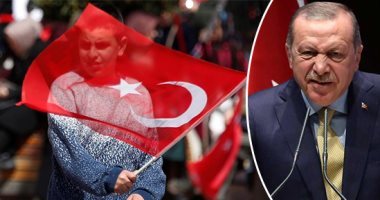
The harsh iron fist insisted on by Turkey's ruling Justice and Development System [AKP], a policy pursued by Turkish President Recep Tayyip Erdogan to respond to coup attempts against him in a July 1962 coup, has made the Turkish Republic a secular paradise that hopes to enter into the embrace The European Union into a homeland inhabited by terror, enveloped by pain, and made migration the first hope before the finest minds of the descendants of Mustafa Kemal Ataturk.
Erdogan's aggressive policies were not against the Turkish secular heritage and an attempt to obliterate the secular historical character of the republic founded by Ataturk in 1924. It was not against the Turkish judiciary, police and army. Novelists and writers were not the first target of the tyranny of the Turkish president, And the torture of Turkish scientists and academics.
One day after the Turkish prosecutor launched an investigation, Turkey began investigations with a number of Turkish novelists, including novelist Elif Shafak, author of the famous novel The Rules of Adoration, on charges of "mistreating children and inciting criminal acts," leading to their detention. Later, described what activists described as a serious threat to freedom of expression.
The Turkish newspaper, "Azaman," published a lengthy report entitled "Scholars of Turkey in the era of Erdoğan .. Nefesh, arrests and torture" The Turkish newspaper highlighted the situation reached by the Turkish Republic following a coup in July 2016 alleged, where thousands of educational institutions were closed by decrees in the rule The law, and thousands of academics were separated from their jobs under the pretext of belonging to the movement of service, founded by the Turkish thinker Professor Fathullah Colin, and made a large number of them trying to get out of that prison, which was imposed by Erdogan himself for those who refuse to obey his orders and enter his circle.
In the past three years, the Turkish authorities have targeted all academics who express their views and declare their reactions, led by "academics for peace" who have criticized the government's military operations in some Kurdish towns in the south of the country and called for a negotiated solution to the military conflict between The Turkish state and the PKK, and issued a statement in January 2016 signed by 1128 of them, entitled "We will not be a party to this crime."
In February, 13 academics were sentenced to 22 months and 15 days 'imprisonment. 14 academics were sentenced to 27 months' imprisonment. The United Nations, through their human rights commissioners, sent a letter to the Turkish authorities expressing their concern about the sentences against academics. The central prisons of the Human Rights Association recently reported the presence of 1,333 prisoners in prison, of whom 457 are severely punished.
The report also sheds light on the stories of a number of academics who have been dismissed, including the dismissed academic psychologist Dr. Khalouk Savas, who was dismissed from his job by virtue of a decree in the rule of law and denied the issuance of a passport to receive cancer treatment abroad. He was arrested on the pretext of participating in a conference in France; although he was a member of the teaching staff of the mathematics department at the University of Lyon, France. He was arrested in the Turkish city of Baq al Asir while he was traveling to obtain information about his passport. And public administration Meh Mohammed Mutlu, among those who have won their share of this injustice, when he was arrested by pressing the neck down and transferred to the prison, which angered both saw him. This was a lesson for everyone who wants to become an academic in the country.


Post a Comment